
The Ascension was Seen
Sacred Art and Sacred Imagination

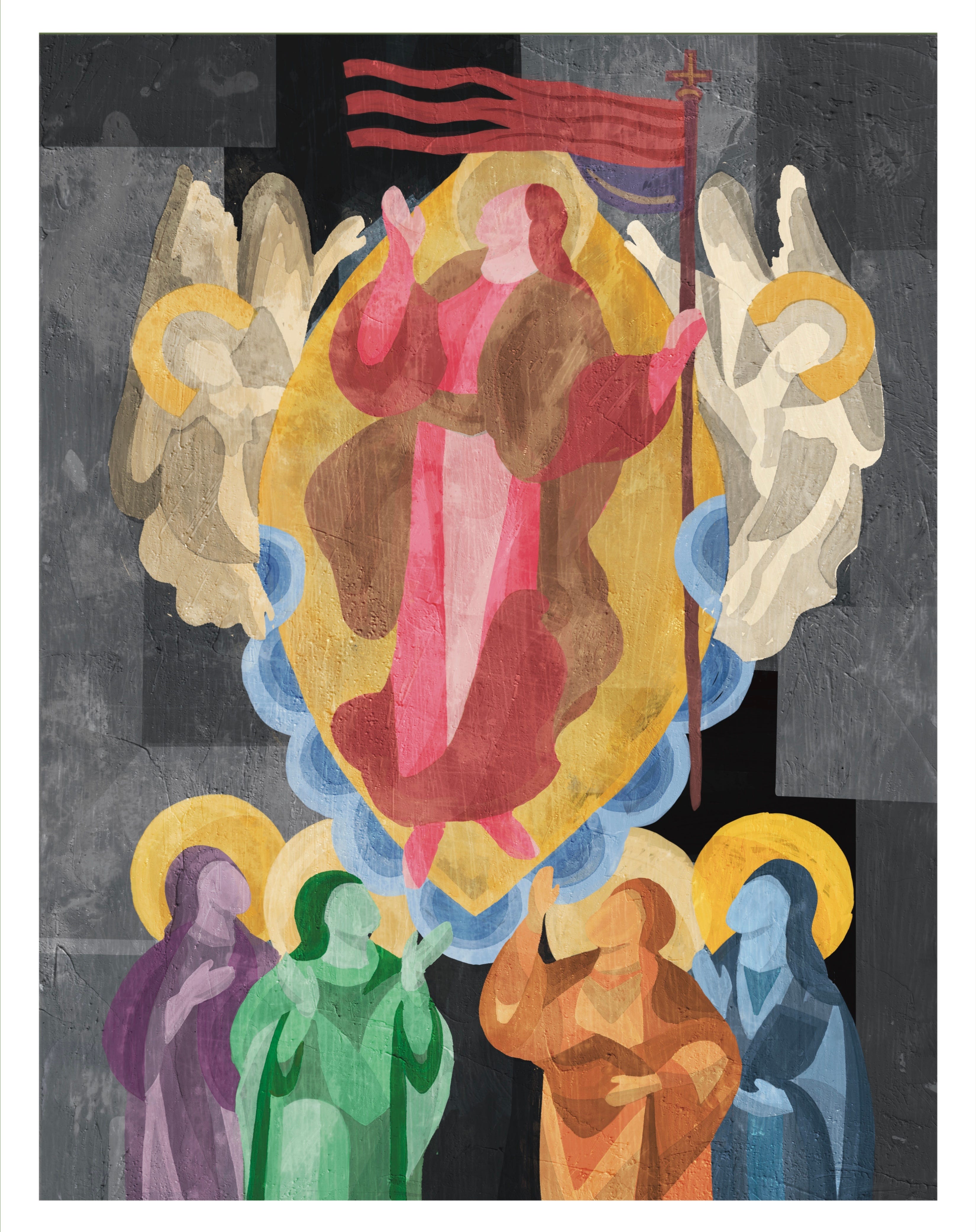
I’ve been very caught up with images and icons of The Ascension this year in ways I never have before. I was, of course, aware of the scripture of Christ’s rise into the clouds. But I’ve never really stopped to contemplate what is happening here. Sacred Art, especially this year, forced me to slow down and consider. To allow the scene to be something more than background. The Ascension is not so much a moment, but an event. It is brief in the scripture, but it’s unique in it's drama. Like a high contrast, special effects set piece at the end of the movie. It is dynamic and theatrical. It is SPECTACLE and I think that is, perhaps, the point.
Growing up in evangelical spaces, the Ascension was rarely emphasized on its own terms. Jesus was here. He died. He rose again. He left. BUT HE’S COMING BACK HALLELUJAH. That final, rapturous energy was so forefront and so paramount to my formation that it dwarfed much of the other theologically powerful moments in the Jesus story. The Ascension was more of a note on a timeline heading towards an eschatological Main Event.
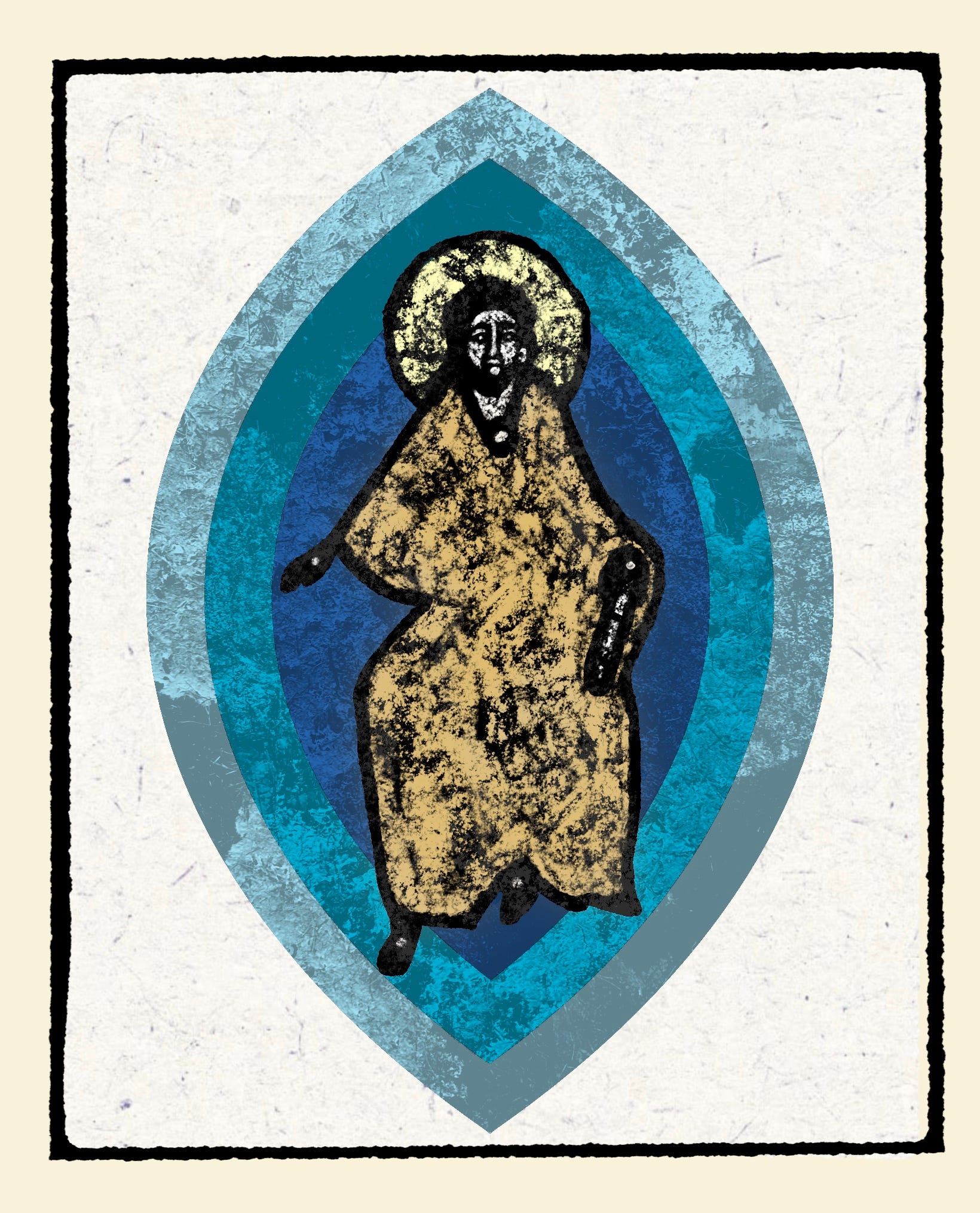
But within church history, the Ascension figures much more prominently. The early church in particular focused on it in homilies. Countless icons and ecclesiastical art pieces over centuries have made it their focus. Any diminishing or de-emphasizing risks a loss of its theological weight and imaginative lens.
The Ascension is, at its core, a moment where the visible and incarnate are carried into divine life. NT Wright describes it by saying “The Jesus who has gone, now, into God’s dimension, until the time when the veil is lifted and God’s multidimensional reality is brought together in all its glory, is the human Jesus. He bears human flesh, and the marks of the man-made nails and spear, to this day, as he lives within God’s dimension, not far away but as near to us as breath itself.” This is done in a moment of attention-grabbing spectacle as a witness to those who were present, to invite them into participation and their own integration into this divine life. Jesus doesn’t simply dissolve or disappear. He is TAKEN UP and RECEIVED in a cloud. It is presented to Christ’s followers in such as way as to prompt their belief. Leo the Great reflects that “We are instructed by their lookings, we are taught by their hearings, we are convinced by their handlings. Let us give thanks to the Divine management and the holy Fathers' necessary slowness of belief. Others doubted, that we might not doubt.” They were captured and captivated by this scene. And the intention is therefore an invitation for us who follow to also be captivated.
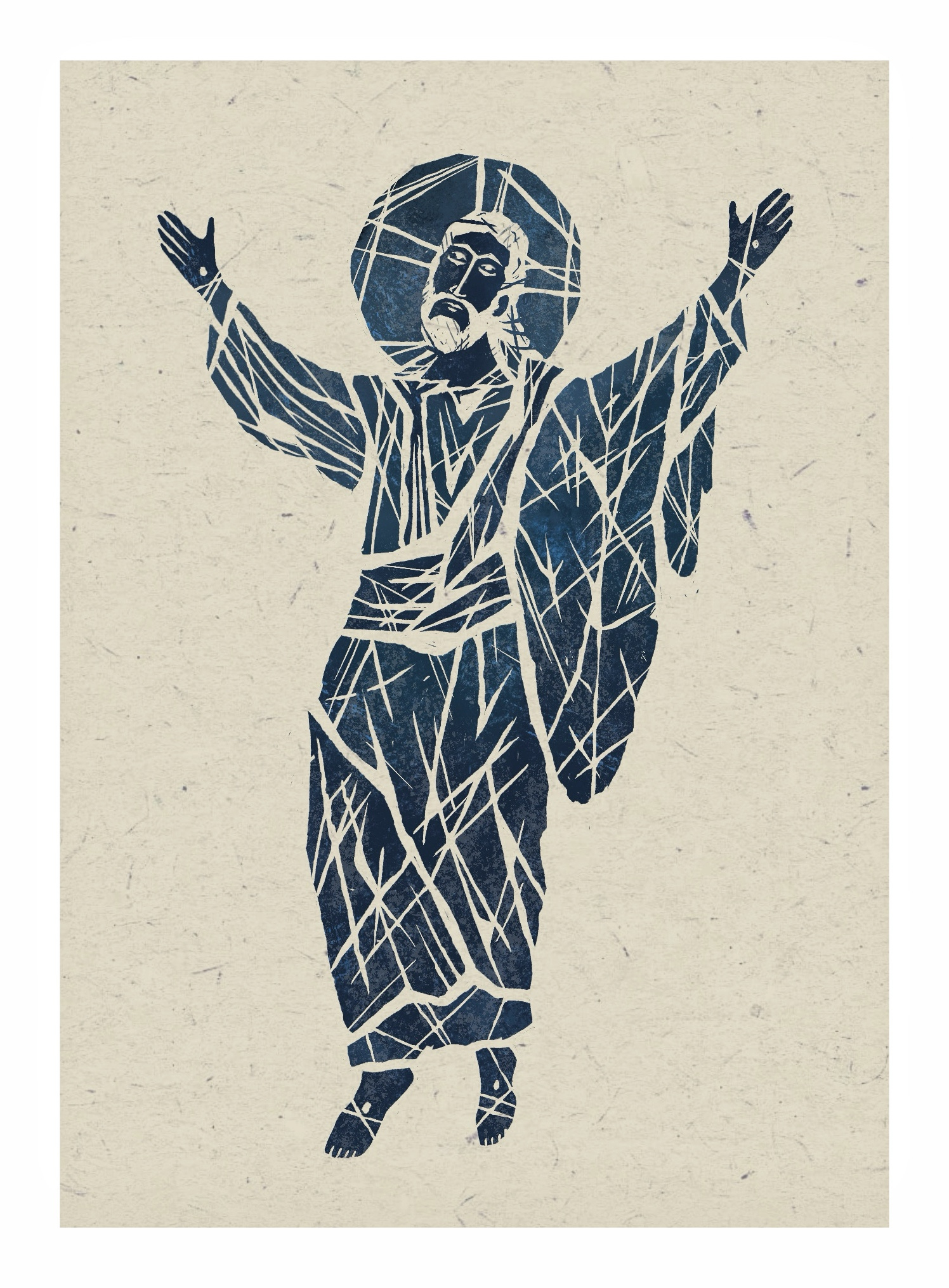
The Ascension is an event of sight. The message and meaning is not just delivered by word and dependent on faith. But it is given as visual witness. Sacred Art offers us the same opportunity. To witness with the eye and to behold the man, the Lamb of God. It calls us into a different and perhaps deeper imagination and reflection of the wonder of the story. Just as the disciples present were arrested in awe, sacred art gives us the opportunity to be captivated in imagination, and more fully formed in contemplation. Images and imaginings push back on a flattening of story. They give it shape, weight, time, movement, color. Vividness. And in doing so they edify and instruct.
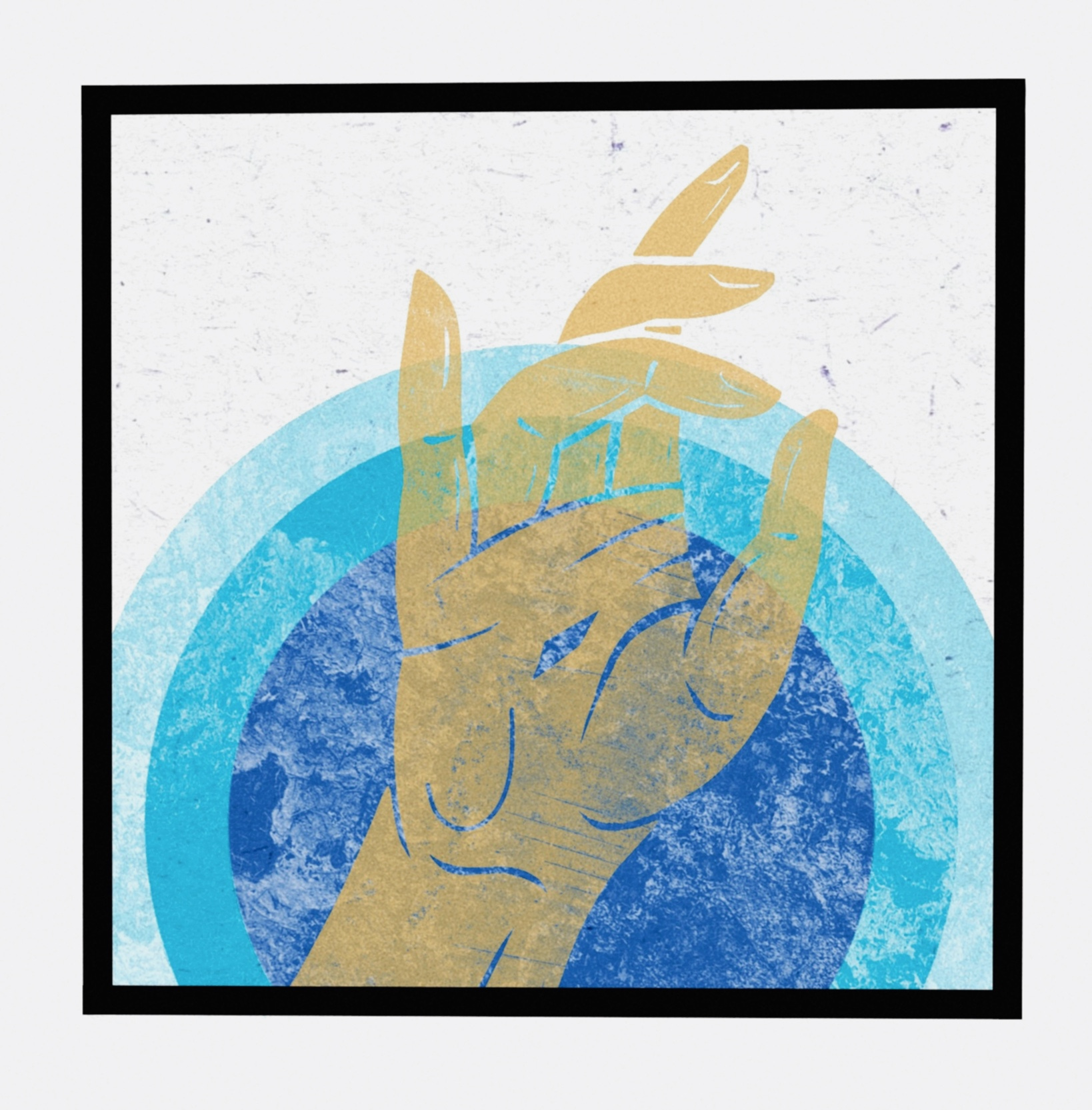
In the end, the disciples were not left staring at the sky. They were sent outwards into the world. But first they watched. Augustine reflects “Christ ascended before the apostles’ eyes, and they turned back grieving, only to find him in their hearts.” Contemplation through sacred arts presents us the same opportunity. To gaze upon Christ, find him in our hearts, and to be sent forth into the world.